

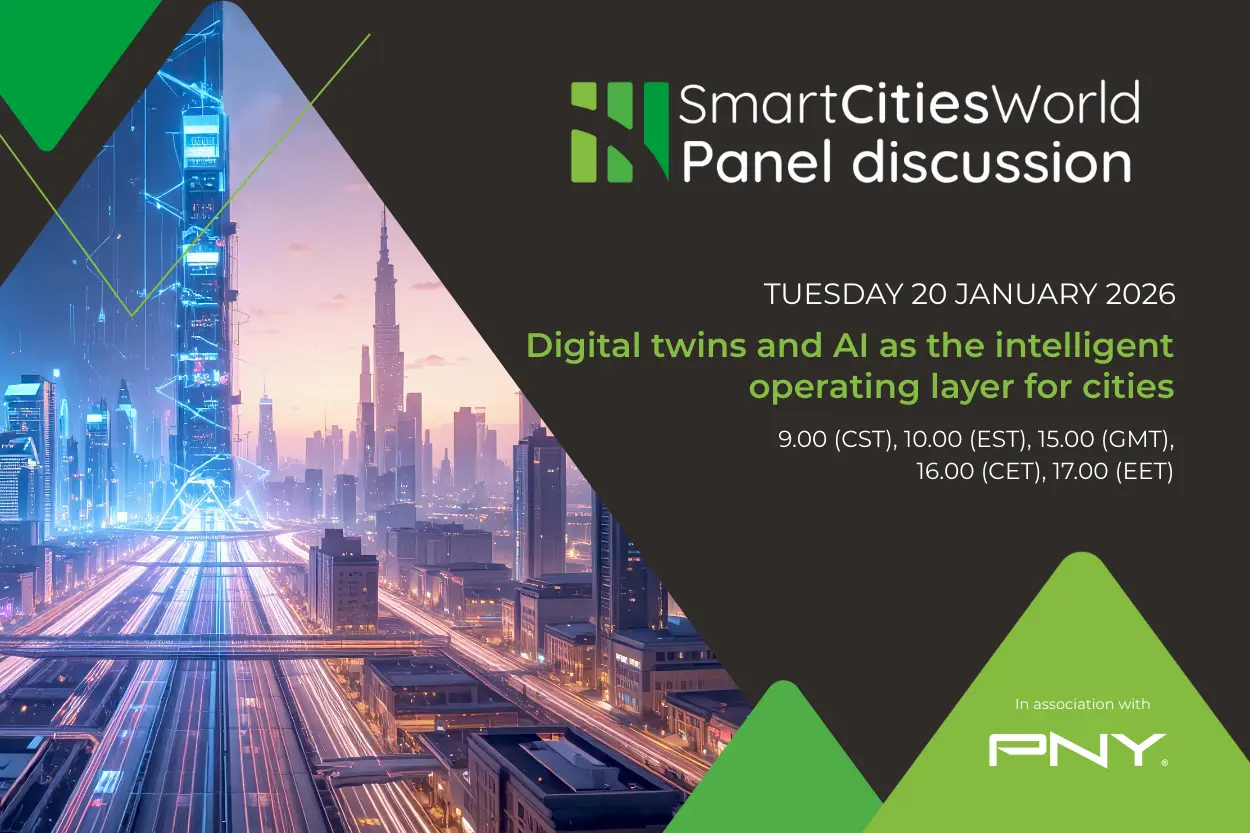
The concept of the digital twin has evolved rapidly from a manufacturing tool to a transformative urban platform. By creating a virtual replica of a physical city—complete with real-time data from sensors, cameras, and IoT devices—city managers can simulate scenarios, predict outcomes, and optimise operations. When paired with artificial intelligence, digital twins become the intelligent operating layer for cities, enabling proactive decision-making that improves efficiency, resilience, and sustainability.
At the heart of this shift is the recognition that cities are complex, dynamic systems. Traditional siloed approaches to infrastructure management—separate departments for transport, energy, water, and public safety—often lead to inefficiencies and missed opportunities. A digital twin, fuelled by AI, breaks down these silos by bringing data together in a single, interactive model. This holistic view allows planners to see how changes in one domain ripple across the entire urban ecosystem.
Urban transport networks: data-driven planning and operations
One of the most immediate applications is in urban transport. AI algorithms analysing traffic flow data from digital twins can predict congestion hotspots before they form, adjust traffic signal timings in real time, and even recommend alternative routes to reduce emissions. For example, many cities are now using AI-powered digital twins to simulate the impact of new bus lanes, cycle paths, or pedestrian zones before any physical construction begins. This saves time and money while minimising disruption to residents.
Beyond daily operations, digital twins support long-term transport planning. By feeding in demographic trends, land-use changes, and economic forecasts, city authorities can model how transport demand will evolve over the next decade. This foresight is critical for infrastructure investments, ensuring that new roads, rail lines, or bike-sharing schemes are placed where they will have the greatest impact. Passenger outcomes also improve: real-time data from digital twins can power apps that show the fastest, most sustainable route options, reducing journey times and encouraging modal shift away from private cars.
Sunderland, a city in northeast England, has been at the forefront of these efforts. Through its Smart City programme, Sunderland has deployed a digital twin platform that integrates data from transport sensors, energy grids, and public buildings. The city has used this to identify energy inefficiencies in ageing infrastructure and to plan the rollout of electric vehicle charging points. Sunderland’s approach shows how a digital twin can serve as a central nervous system, coordinating multiple agendas toward a common goal of carbon neutrality.
Climate resilience and crisis response
Climate change is intensifying the pressures on urban infrastructure. Extreme rainfall, heatwaves, and sea-level rise pose direct threats to roads, drainage systems, and power networks. Digital twins, enhanced with AI, offer a way to anticipate these threats and respond faster. The case of Quezon City in the Philippines is instructive. Following unexpected extreme rainfall that caused widespread flooding, the city began using a digital twin to model stormwater runoff and identify vulnerable areas. By running thousands of simulations, authorities can now preemptively close roads, deploy pumps, and alert residents before a storm hits.
This proactive resilience is central to the SmartCitiesWorld Summit 2026, which will be held during London Climate Action Week. The summit will bring together urban leaders to explore how digital twins and AI can translate climate strategy into practical action. Sessions will focus on integrating these technologies into city budgets, procurement processes, and community engagement. The goal is to move beyond pilot projects to mainstream adoption, making every city’s infrastructure smarter and more adaptable.
Digital twins for indoor safety and building management
The digital twin concept extends beyond outdoor infrastructure to indoor environments. Smart sensor networks within buildings can detect risks such as gas leaks, fire hazards, or structural weaknesses early. An AI-driven digital twin of a building can alert facility managers to anomalies in real time, improving situational awareness and enabling rapid response. This not only enhances safety but also supports healthier, more secure, and sustainable buildings. For instance, by modelling air quality, a digital twin can optimise HVAC systems to reduce energy use while maintaining comfort levels.
Gareth Tang, President of Urban Solutions at ST Engineering, has highlighted how urban AI applications are set to evolve. In a recent discussion, he detailed projects where AI is already making significant impact—such as predictive maintenance of public lighting and smart waste collection systems that optimise truck routes based on fill levels. Tang envisions a future where every element of the city—from lampposts to bus stops—is part of an interconnected AI-powered fabric that learns and adapts continuously.
Global leadership: Malaysia and Southeast Asia
Malaysia is positioning itself as a leader in AI-powered urban innovation. The first Southeast Asian Smart City Expo, held in Kuala Lumpur, showcased dozens of initiatives using digital twins to improve traffic management, flood forecasting, and energy efficiency. Malaysian cities are also experimenting with AI to personalise government services, building trust and inclusivity by tailoring information and assistance to individual citizens’ needs. This aligns with a broader trend explored in OnDemand panel discussions: “AI for personalised government services – building trust and inclusivity in cities.”
The expo highlighted how digital twins can help cities in developing regions leapfrog traditional infrastructure limitations. By using low-cost sensors and cloud-based analytics, even smaller municipalities can create digital replicas of their core systems without massive upfront investments. This democratisation of technology means that the benefits of digital twins are no longer limited to wealthier nations.
Dublin’s digital twin projects: a model for innovation
Dublin, the capital of Ireland, has emerged as a global case study in smart city innovation. The city’s digital twin projects encompass traffic reduction, energy management, and economic growth. One notable initiative uses real-time data from over 200 traffic cameras and GPS from buses to create a live model of the city’s road network. This model feeds into an AI system that adjusts traffic signal timings to prioritise public transport and emergency vehicles. Early results show a 15% reduction in average journey times on key corridors.
Dublin has also developed a digital twin of its historic city centre to simulate the impact of new pedestrian zones on retail footfall and air quality. By engaging local businesses and residents through virtual walkthroughs, the city builds consensus before making physical changes. This participatory approach, enabled by the digital twin, ensures that urban regeneration projects meet community needs.
The data groundwork: preparing for AI
Despite the promise, implementing a digital twin requires careful preparation. Sunderland’s experience underscores the importance of data groundwork. Before AI can deliver insights, cities must invest in sensors, data integration platforms, and cybersecurity. Staff need training to interpret the models and make decisions based on them. An OnDemand webinar on “Preparing for AI – understanding the data groundwork with Sunderland” delves into these challenges, outlining steps any city can take to build a solid data foundation.
Furthermore, the rise of sovereign AI—where data remains within national borders—is a key consideration for cities. Youssef Nadiri of PNY Technologies discussed on the SmartCitiesWorld podcast how sovereign AI ensures that sensitive city data used in digital twins is not exported to foreign servers. This is particularly important for critical infrastructure like transport and energy, where data sovereignty can be a matter of national security.
The SmartCitiesWorld newsletters, delivered daily or weekly, provide ongoing coverage of these developments. Subscribers receive the latest city interviews, special reports, and guest opinions—all curated to help urban leaders stay ahead of the curve. As digital twins and AI continue to mature, staying informed is essential for any city wanting to harness technology for a more sustainable and resilient future.
Source: Smart Cities World News