

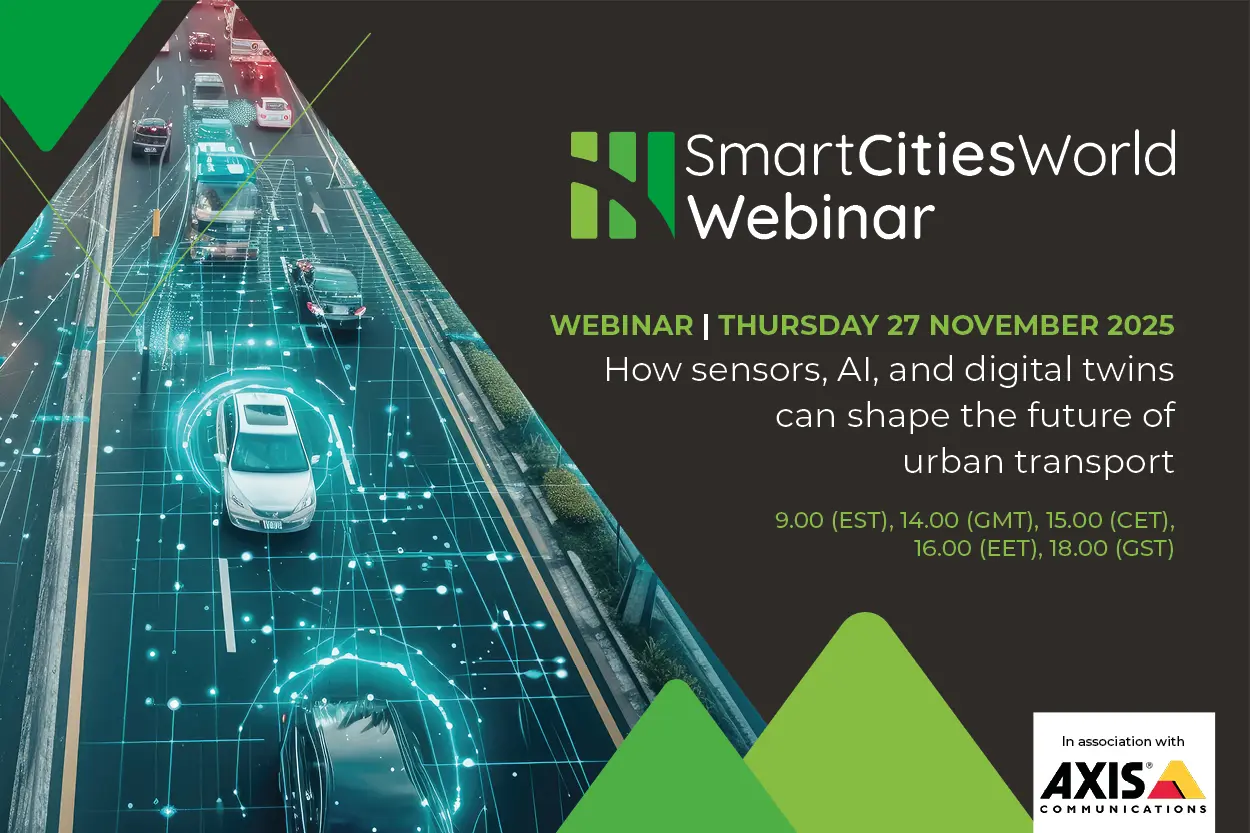
Urban transport and infrastructure are undergoing a profound transformation driven by the convergence of sensors, artificial intelligence (AI), and digital twin technologies. Cities worldwide are racing to harness these tools to improve efficiency, resilience, and sustainability while addressing challenges such as security, interoperability, and inclusivity. This article synthesizes key insights from recent webinars, reports, and expert discussions that highlight how data and AI are being used to turn fragmented urban systems into smarter, more responsive services.
AI and Digital Twins in Urban Transport
One of the most promising applications is the use of AI-powered digital twins to model and optimize transport networks. Digital twins create virtual replicas of physical assets, enabling planners to simulate scenarios, predict outcomes, and make data-driven decisions. For example, cities can test traffic flow changes, assess the impact of new infrastructure, or optimize public transit schedules without disrupting real-world operations. The International Telecommunication Union (ITU) has emphasized that digital twins must be built on principles of interoperability, inclusivity, and human oversight to avoid vendor lock-in and ensure equitable benefits.
In Dublin, digital twin projects are already improving experiences for communities by reducing traffic congestion and supporting economic growth. The city uses real-time data from sensors to monitor street usage, pedestrian flows, and emissions, feeding into a dynamic model that helps planners design more efficient layouts. Similarly, Sunderland is repositioning itself as a leading smart city by investing in digital infrastructure and low-carbon innovation. Its city profile highlights how these technologies are building a resilient, future-focused economy that attracts businesses and enhances quality of life.
Smart Lighting: From Networks to Secure Infrastructure
Another critical area is smart lighting, which is evolving from simple energy-saving streetlights into secure, interoperable platforms for urban services. The second episode of the Cities Thriving on Lighting series explores how cities can turn existing streetlight networks into future-proof infrastructure. By adding sensors and connectivity, these poles can collect data on air quality, noise, traffic, and even serve as charging points for electric vehicles. However, the final episode of the series warns of cybersecurity risks—as lighting systems become part of the Internet of Things (IoT), they also become vulnerable to attacks. Cities must therefore prioritize security from the outset, adopting standards and encryption to protect critical infrastructure.
Indoor Safety and Sensor Networks
Beyond outdoor environments, smart sensor networks are improving indoor safety in buildings. By detecting risks early—such as fire, toxic gases, or structural stress—these systems enhance situational awareness and support healthier, more secure spaces. For example, in smart offices and public facilities, sensors can monitor occupancy, adjust ventilation, and alert maintenance teams to issues before they escalate. This application is especially relevant for creating sustainable buildings that reduce energy waste while ensuring occupant well-being.
The Role of AI in Urban Governance and Security
ITU’s Cristina Bueti has stressed that cities must act now to align AI deployment with human values. Fragmented systems and vendor lock-in could define the future of urban AI if interoperability is not prioritized. This means adopting open standards for data sharing, ensuring that AI algorithms are transparent and auditable, and involving communities in decision-making. The UN Virtual Worlds Day event further explores how AI and spatial intelligence can turn the “Citiverse” ecosystem into trusted, people-centred outcomes. Paul Wilson, a key figure in the smart city movement, invites stakeholders to join the conversation on shaping inclusive digital urban environments.
Climate Finance and Resilient Infrastructure
Addressing climate change requires substantial investment in city infrastructure. An upcoming COP30 webinar focuses on unlocking climate finance by building city capacity and partnerships. Many cities lack the technical expertise to access funds, so programs that train officials in project preparation, green budgeting, and investor relations are critical. The trend report panel discussion on AI for resilient infrastructure also covers how machine learning can predict extreme weather impacts, optimize energy grids, and reduce maintenance costs—making cities more adaptable to climate shocks.
City Profiles: Sunderland and Dublin Lead the Way
SmartCitiesWorld’s City Profiles offer deep dives into how specific urban areas are leveraging innovation. Sunderland’s strategy combines digital twins, 5G connectivity, and low-carbon energy to attract tech companies and create jobs. The city’s approach emphasizes partnerships between local government, universities, and private sector firms. Dublin, meanwhile, focuses on digital twin projects that improve traffic flow, reduce emissions, and enhance pedestrian experiences. Both profiles demonstrate that success depends on clear vision, stakeholder engagement, and a willingness to experiment.
The Path Forward: Interoperability and Citizen-Centric Design
As the webinars and reports make clear, technology alone is not enough—cities must design systems that serve all residents. This involves breaking down data silos, ensuring privacy, and providing channels for public feedback. The daily and weekly newsletters from SmartCitiesWorld keep stakeholders informed of the latest developments, including special reports and guest opinions on topics like equitable AI deployment and inclusive digital twins.
From the streets of Dublin to the digital models of Sunderland, the future of urban transport and infrastructure is being shaped by sensors, AI, and digital twins. By prioritizing security, interoperability, and human oversight, cities can turn these innovations into resilient, sustainable, and inclusive services that truly improve lives.
Source: Smart Cities World News