

Introduction to the East of England
The East of England is one of the nine official regions of England, comprising the counties of Norfolk, Suffolk, Cambridgeshire, Essex, Bedfordshire, Hertfordshire, and the unitary authority of Peterborough. With a population of over 6 million people, it is a diverse area known for its rich history, vibrant economy, and stunning natural landscapes. The region has been a focal point for significant investments in recent years, particularly in technology, renewable energy, and infrastructure. This article provides a comprehensive overview of the East of England, highlighting key facts, economic drivers, and cultural landmarks.
Economic Landscape and Key Industries
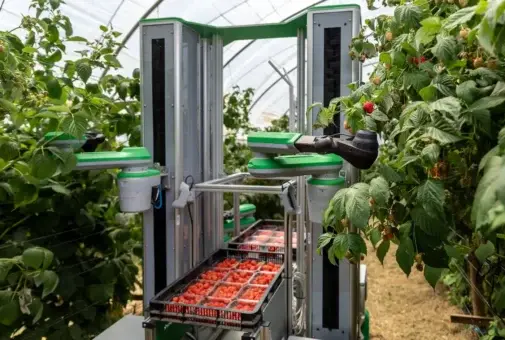
The East of England boasts one of the strongest economies in the United Kingdom, driven by a mix of traditional and modern industries. Agriculture remains a cornerstone, with the region producing a significant portion of the UK's cereals, vegetables, and livestock. The Fens, a low-lying area in Cambridgeshire and Lincolnshire, are particularly fertile, supplying much of the country's fresh produce. However, the region has successfully diversified into high-growth sectors such as life sciences, information technology, and renewable energy.
Cambridge, home to the world-renowned University of Cambridge, has become a global hub for technology and innovation. The 'Cambridge Cluster' or Silicon Fen, comprises over 5,000 knowledge-intensive firms, including AstraZeneca, ARM Holdings, and numerous biotech startups. The area has attracted billions of pounds in venture capital and is a key driver of the UK's post-Brexit economy. In 2024, the government announced a £1.5 billion investment to expand the Cambridge Biomedical Campus, creating thousands of high-skilled jobs.
Renewable energy is another major growth area. The East of England's coastline along the North Sea is ideal for offshore wind farms. The Hornsea Project, operated by Ørsted, is the world's largest offshore wind farm, with a capacity of over 1.2 GW. Additional projects like the Norfolk Vanguard and Sofia offshore wind farms are set to further boost the region's renewable energy output. These investments align with the UK's net-zero emissions target by 2050 and have created a thriving supply chain for engineering and manufacturing.
Tourism and Cultural Heritage
The East of England is a popular tourist destination, attracting millions of visitors each year. Norfolk's coastline, including the famous Norfolk Broads, offers scenic waterways and wildlife. The Broads National Park is a unique network of rivers and lakes that supports rare species like the Norfolk hawker dragonfly and bittern. Suffolk's heritage coast features charming towns like Aldeburgh and Southwold, known for their literary connections and seafood.
Historic cities such as Norwich, Cambridge, and Ely are architectural treasures. Norwich Cathedral, with its magnificent Norman nave and spire, dates back to 1096. The city also boasts one of the UK's largest weekly markets and a vibrant arts scene. Cambridge is synonymous with its university colleges, including King's College Chapel, a masterpiece of Gothic architecture. The city also hosts the Cambridge Science Festival and the Cambridge Folk Festival, drawing global audiences.
Essex offers a mix of coastal resorts like Southend-on-Sea and historic landmarks such as Colchester Castle, the oldest recorded Roman town in Britain. Hertfordshire is home to the Warner Bros. Studio Tour London – The Making of Harry Potter, a major attraction near Leavesden. The region's rich history also includes the ancient Icknield Way, the Bronze Age Flag Fen, and the Anglo-Saxon Sutton Hoo burial site, which inspired the film 'The Dig'.
Infrastructure and Transport Developments
Significant infrastructure projects are shaping the East of England's future. The A14 Cambridge to Huntingdon improvement scheme, completed in 2020, has reduced congestion and improved connectivity. The East West Rail project, linking Oxford, Milton Keynes, Cambridge, and Ipswich, is under development. Once completed, it will significantly cut travel times and boost economic integration across the region. Additionally, the expansion of London Stansted Airport, the fourth busiest in the UK, is underway, with new routes to Asia and the Middle East.
The region also benefits from its proximity to London and the Thames Estuary. The Lower Thames Crossing, a proposed road tunnel linking Kent and Essex, will relieve pressure on the Dartford Crossing. However, the project has faced delays due to environmental concerns and budget reviews. On the digital front, the rollout of full-fibre broadband and 5G networks is accelerating, particularly in rural areas, supported by government investment through Project Gigabit.
Environmental Challenges and Sustainability
The East of England faces significant environmental challenges, particularly from climate change. Coastal erosion is a major issue in Norfolk and Suffolk, threatening communities and habitats. The Environment Agency has implemented managed retreat schemes in places like Happisburgh and Dunwich. Meanwhile, water scarcity is a growing concern, especially in the Fens, where intensive agriculture relies on irrigation. Water companies are investing in new reservoirs and leakage reduction programmes.
Despite these challenges, the region is at the forefront of sustainability initiatives. The Norfolk Broads have been designated as a UNESCO Biosphere Reserve. Local councils are promoting green energy, with many towns adopting community solar farms and heat pump schemes. The University of East Anglia, based in Norwich, is a leader in climate change research, hosting the Tyndall Centre for Climate Change Research.
Education and Innovation
The East of England is home to some of the UK's top educational institutions. Besides the University of Cambridge, which consistently ranks among the world's top five universities, there are several renowned research universities: the University of East Anglia, University of Essex, University of Hertfordshire, and Anglia Ruskin University. These institutions contribute to a highly skilled workforce and drive innovation across sectors.
Research parks like the Norwich Research Park, one of Europe's largest life-science clusters, bring together academics, clinicians, and businesses. The park specialises in plant science, food research, and health, and has produced technologies that address global food security. The Cambridge–Milton Keynes–Oxford arc is a designated innovation corridor, attracting tech giants like Apple, Microsoft, and Samsung to set up research facilities.
Vocational training is also strong, with further education colleges offering courses in engineering, agriculture, and digital skills. The region's apprenticeship programmes have expanded, supported by funding from the Greater Cambridge Partnership and local enterprise partnerships.
Demographics and Quality of Life
The East of England has a growing and ageing population. According to the Office for National Statistics, the region's population is projected to increase by 10% by 2040, driven by migration from London and international immigration. This growth has led to rising housing demand, with average house prices increasing by 15% in the past five years. New towns like Northstowe in Cambridgeshire and the proposed Tendring Colchester Borders Garden Community in Essex aim to address housing shortages.
Quality of life is generally high, with lower crime rates and excellent access to green spaces compared to London. However, rural areas face challenges such as poor public transport connectivity and limited healthcare services. The NHS has invested in new hospitals in Norfolk and Essex, including the new James Paget University Hospital and the expansion of the Queen Elizabeth Hospital in King's Lynn.
Conclusion-Free Final Observations
The East of England continues to evolve as a dynamic region that balances tradition with innovation. From the fertile soils of the Fens to the cutting-edge laboratories of Cambridge, its contributions to the UK's economy, culture, and environmental sustainability are profound. As new infrastructure projects come online and investment in renewable energy grows, the region is well-positioned to thrive in the coming decades. Its rich historical tapestry and forward-looking spirit make it a fascinating area to study and visit.
Source: UKTN News